


May and June bring a particular kind of pressure to Dubai. Families are coordinating move-out dates, container bookings, school enrolments abroad, and flights, often all at once. One of the most common practical realities is a gap: your Dubai property needs to be vacated before your destination is ready, or your shipment departs weeks ahead of your arrival. That gap usually means storage.
Most families assume their belongings are fully covered during that period. The reality is more nuanced, and understanding it before you sign anything is worth the time.
Why Storage Comes Up So Often in International Moves

It is rarely part of the original plan. It happens because move-out and move-in dates rarely align perfectly. A lease ending in May, a school starting in September, a property purchase delayed by paperwork, a container that needs to depart before you are ready to follow it. These are not edge cases; they are the norm for international relocations from Dubai.
When belongings go into storage, whether in Dubai before shipping or at the destination while you settle in, a separate set of questions about insurance applies. The coverage that protects your goods during transit does not automatically extend to goods sitting in a warehouse, and the coverage protecting goods in storage does not always extend to transit. Understanding where one ends and the other begins matters.
What Standard International Removal Insurance Covers
A comprehensive international removal insurance policy, properly arranged through your moving company or a specialist insurer, will typically cover your goods against loss or damage during packing, loading, transit, and unloading. This includes fire, collision, theft, and accidental damage during the move itself.
When your goods go into storage as part of the removal process, a good policy will extend that coverage to the storage period, usually for a defined timeframe. Storage arranged directly through your removal company and held in their own facilities is most likely to be covered seamlessly under the same policy.
The key phrase is “all risks” coverage. Policies described this way provide the broadest protection, covering any physical loss or damage not specifically excluded. Named perils policies, by contrast, only pay out for specific events listed in the document. For an international move involving storage in Dubai’s climate, all risks cover is the right standard to hold out for.
What Is Typically Excluded
This is where most surprises occur, and it is worth reading carefully.
Jewellery, watches, and high-value items. Most standard policies either exclude these entirely or cap the payout at a fixed amount regardless of actual value. A watch collection or significant jewellery bought in Dubai may have a combined value well above what a standard policy will pay. These items need to be declared individually, appraised, and covered under a separate scheduled items endorsement, or carried personally.
Cash, documents, and negotiable instruments. No standard removal or storage policy covers cash, bank cards, passports, title deeds, or financial documents. These should never go into a storage unit or shipping container under any circumstances. If they are lost or damaged, there is no insurance remedy.
Owner-packed items. If you pack boxes yourself rather than having your removal company pack them, most policies will not cover damage to the contents unless the external box shows clear physical damage. Internally broken items in a self-packed box are almost universally excluded. This is a significant point for families who pack small items themselves to save time or cost.
Pre-existing damage. Insurance will not pay out for damage that existed before the goods entered storage or a container. Scratches, dents, or wear that pre-date the move will be noted by your packer and will not form part of any claim.
Mechanical or electrical failure. If an appliance or electronic device stops working after being moved, and there is no physical evidence of impact or damage, most policies will decline the claim on the basis that the failure was internal and pre-existing.
Mould, mildew, and pest damage. Gradual deterioration caused by humidity, temperature, or infestation is excluded under almost every policy. This is worth noting specifically for Dubai, where the summer months bring extreme heat and humidity. Items placed in a facility that is not climate-controlled face real risk, and the insurer will not cover what they consider environmental deterioration rather than insured damage.
The Gap Between Removal Insurance and Storage Insurance
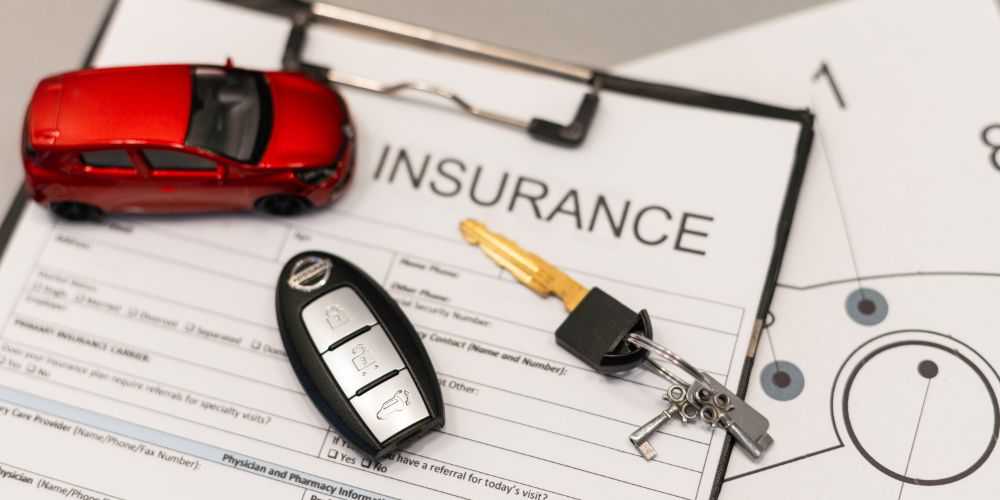
This is the most commonly misunderstood aspect of the whole topic. If your goods are in your removal company’s storage facility as part of the overall move, they are likely covered under the removal policy for that period. If, however, you arrange your own storage separately, or your goods remain in a self-storage facility you have rented independently, your removal insurance typically ends when the goods are delivered to that facility.
From that point, you need separate contents insurance for the storage unit. Many storage facilities offer their own cover, but it tends to be basic, with lower limits and more exclusions. A standalone policy from an insurer familiar with international moves will generally provide better protection and higher limits.
The same logic applies in reverse at the destination. If your goods arrive at port and are held in bonded storage while you finalise your address, check explicitly whether your policy covers that period and under what conditions.
High-Value Items Need a Different Conversation
Art, antiques, fine jewellery, designer watches, and items with significant sentimental value do not fit neatly into standard removal insurance. They require individual declaration, professional appraisal, and often a specialist policy or rider.
For families moving from Dubai, where high-value personal items are common, this is not a theoretical concern. Items purchased at Dubai Gold Souk, luxury watches, designer goods, and artwork all need to be treated differently from household furniture. Photograph everything, obtain written appraisals where relevant, and discuss these items explicitly with your insurer before the policy is issued, not after something goes wrong.
Irreplaceable items, family heirlooms, and anything with emotional rather than purely financial value should travel with you personally. No insurance payout can replace something that cannot be recreated or repurchased.
How to Protect Yourself Properly
The practical steps are straightforward, but they need to happen before packing day.
Declare accurately and in full. Undervaluing a shipment to reduce premiums is counterproductive; any payout will be proportionately reduced if the insured value does not reflect the true value of what was lost.
Use professional packing for anything fragile or valuable. This protects both the goods and your right to claim if something goes wrong.
Choose climate-controlled storage. In Dubai, standard storage facilities can reach extreme temperatures through the summer months. Climate-controlled units protect both the physical goods and the validity of any claim.
Ask explicit questions about what the policy covers during storage, how long that coverage lasts, and what documentation is required if you need to make a claim.
Acorn Movers offers international storage solutions from Dubai that are designed to work as part of your overall relocation, with continuity of care from the moment your goods are packed to the moment they are delivered at your destination. We can advise on insurance arrangements that cover the full journey, including the storage period.
Plan the Gap as Carefully as the Move Itself
The period between leaving your Dubai property and arriving at your new home abroad is when belongings are at their most exposed. Planning that gap, what goes into storage, for how long, under what cover, and with what documentation, is as important as planning the move itself.
If you have questions about storage options or want to discuss the right approach for your situation, request a quote online, message us on WhatsApp, or call us on +971 4 323 6920. We will make sure your belongings are protected at every stage.