


For a lot of people leaving Dubai, Vancouver isn’t a compromise. It’s a deliberate choice. The mountains, the ocean, the city’s measured pace after years of Dubai’s intensity: all of it adds up to something specific. What also adds up is the logistics of getting there, and those deserve the same level of thought as the lifestyle decision itself.
This post covers what the move actually involves, from shipping options out of Jebel Ali to customs paperwork on arrival, with some context on where to settle once you land.
Who Makes This Move
Around 60,000 Canadians are estimated to be living in the UAE at any given time, a mix of professionals who came for a few years and stayed for a decade, corporate employees on assignment, and families who built a life here without fully planning to. When the decision to leave comes, Vancouver draws a particular type: people in tech, finance, and the resource industries, families with school-age children, and those returning to Canada after long stints abroad.
Abu Dhabi residents make the same move in similar numbers. The lead times, freight options, and customs requirements are identical, and Acorn Movers coordinates collections from both emirates as standard.
What Vancouver Actually Looks Like
The city divides itself fairly cleanly by lifestyle, and it’s worth knowing which part suits you before you sign a lease from Dubai.

Families with school-age children tend to settle on the west side, in areas like Dunbar-Southlands and Kerrisdale, where schools are strong, streets are quiet, and the pace is less urban. Professionals moving for work often prefer Yaletown or Coal Harbour, both within walking distance of the downtown core and better suited to the rhythm people expect from a city-centre move. Kitsilano sits between the two: beach access, independent cafés, and a relaxed atmosphere that appeals to families and younger professionals alike. Mount Pleasant has emerged as the neighbourhood for creative and tech workers, with a distinct character and better price-per-square-foot than the waterfront areas.
The SkyTrain connects most of these areas well. Getting around Vancouver without a car is realistic in a way it simply isn’t in Dubai, which changes how some families think about the move, including whether shipping a vehicle is worth the cost and paperwork.
Freight from Dubai to Vancouver: Your Three Options
Sea freight is the standard choice for full household moves on this route. Vessels depart from Jebel Ali two to four times per week, with port-to-port transit running around four to six weeks. Door-to-door timing, once you include customs clearance and inland delivery to Vancouver, typically lands in the six to eight week range. That is the window to plan around when you’re setting your departure date and arranging temporary accommodation on arrival.
For a standard two-to-three bedroom apartment, a shared container (LCL) is usually sufficient. Larger family homes with full furniture typically require a dedicated twenty-foot or forty-foot container. Acorn Movers surveys your home before recommending a container size rather than estimating from a floor plan, which avoids both oversized containers and the more common problem of underestimating volume.
Air freight suits smaller, time-sensitive shipments. Transit runs seven to ten days including customs clearance and works well for people who need a working setup, essential items, or children’s belongings to arrive before the sea freight clears. Many families on this route use both: air for the immediate essentials, sea for everything else. Our freight options guide covers how to split a shipment and what each method costs in practical terms.
There is no land freight option on this route given the distance, unlike European destinations where road transport is a genuine consideration.
Canadian Customs: The B4 and B4A Forms
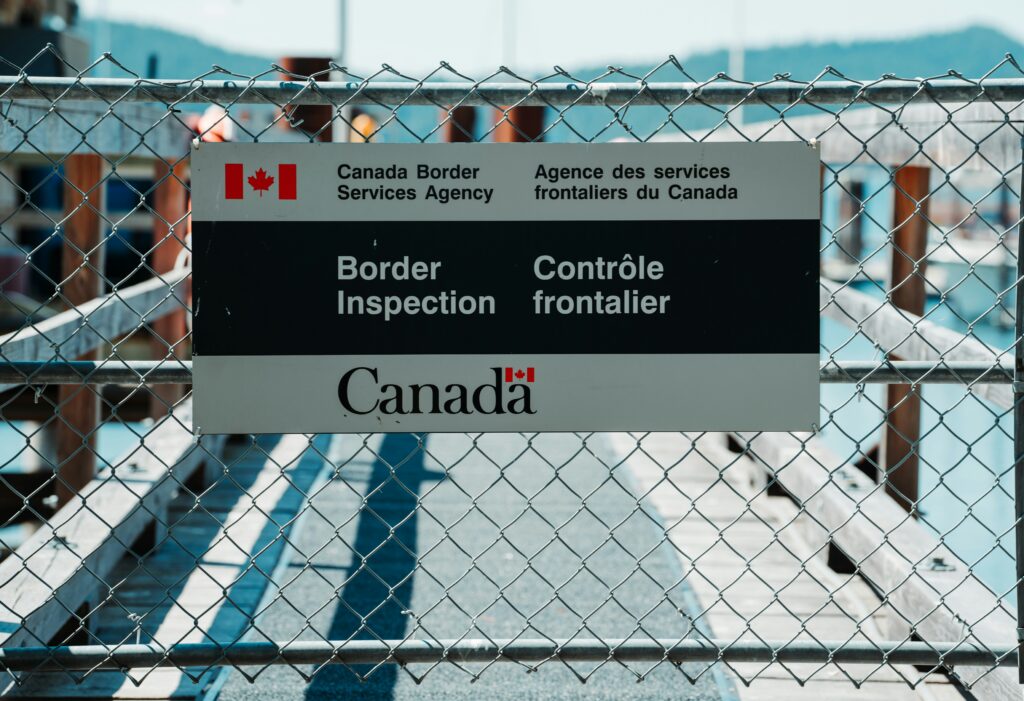
The Canada Border Services Agency requires anyone relocating to Canada to complete two forms before or on arrival: the BSF186 (B4) and the BSF186A (B4A). These are your personal effects accounting documents. The B4 lists goods you carry with you; the B4A covers goods arriving later by sea or air freight.
Getting this right is important. Items listed on a stamped B4A can enter Canada duty-free. Items not declared before you arrive at your first Canadian port of entry cannot be added after customs stamps your paperwork, and may attract import duty when the container eventually clears. The CBSA publishes both forms on their official website, along with instructions for completing them.
To qualify for duty-free import, goods must have been owned and used by you for at least six months prior to the move. Items purchased in Dubai specifically for the relocation, particularly brand-new furniture or appliances bought close to the departure date, may not qualify and could attract duty on arrival. Acorn Movers walks clients through the Canadian customs process and liaises with the receiving agent in Vancouver on documentation at both ends.
Please note that customs and import regulations may change. Always verify requirements with the Canada Border Services Agency or contact Acorn Movers for current guidance before your shipment is loaded.
Restricted and Prohibited Items
Canada has strict biosecurity rules on what can enter the country. Certain food products, soil, seeds, and untreated wood items are either restricted or prohibited outright. Outdoor and garden furniture that has been used in soil, planters with residual dirt, and items made from untreated timber all need attention before they are packed.
Firearms require a separate import permit and cannot travel with household goods under any circumstances. Items that would be prohibited in Canada cannot be shipped regardless of how they are declared. Our packing checklist covers the most common items that cause delays or refusals at Canadian customs, and it is worth reviewing before anything is wrapped.
Shipping Your Car
Vancouver is one of the more liveable Canadian cities without a car, particularly if you’re settling in Yaletown, Kitsilano, or anywhere near the SkyTrain. Some families relocating from Dubai still choose to ship, particularly those heading to the North Shore or further suburban areas where transit is less frequent.
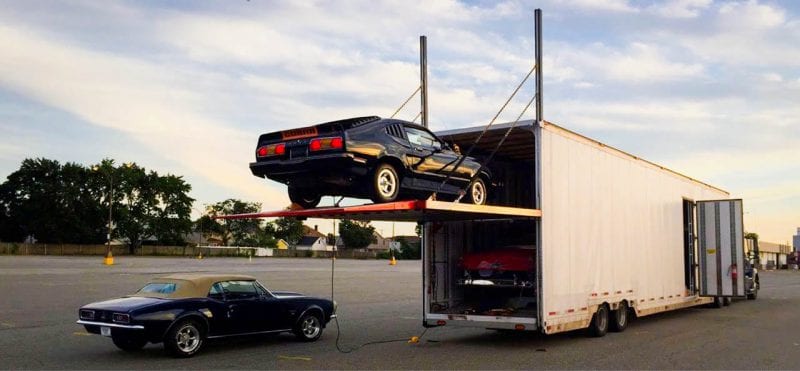
Vehicle shipping from Dubai runs as a separate process from household goods. It involves its own documentation: proof of ownership, the original title, and compliance checks on arrival. UAE-specification vehicles may require modifications to meet Canadian road and emissions standards, so it is worth confirming this before the car is loaded. Acorn Movers coordinates vehicle shipping from Dubai and manages the paperwork at both ends, including liaison with the receiving agent at the Canadian port.
Planning Your Timeline
The standard planning window for a Dubai-to-Vancouver move is ten to twelve weeks from first contact to container loading. That covers the pre-move survey, packing, loading, sea transit, and customs clearance in Vancouver. Families wanting to arrive before the September school intake need a July or August arrival, which means starting the process no later than May. If you are reading this in May and haven’t begun, the conversation needs to happen this week.
Those leaving before the summer heat peaks also have a practical reason to move quickly. Packing and loading in June and July is manageable with the right team and equipment, but it takes longer, and booking availability compresses fast as the season progresses.
Start with a Conversation
Moving from Dubai or Abu Dhabi to Vancouver involves freight decisions, customs documentation, and timing that all interact with each other. Getting one of them wrong delays the others. Acorn Movers has managed this route many times and knows where the complications tend to appear.
Reach out via WhatsApp, call us directly on +971 4 323 6920, or request a quote and we’ll arrange a survey at your home this week.