



Sydney gets the attention. Melbourne gets the culture debate. Adelaide gets the people who have actually thought about what they want from the move. It is compact enough that you can drive across it in twenty minutes, affordable in a way that makes a long-term life genuinely sustainable, and built around a pace that most Dubai families describe as the real reason they chose it. The Barossa Valley starts forty-five minutes from the city centre. The beaches run for more than seventy kilometres along the western coast. And the school system, both state and independent, is among the most consistently rated in Australia.
This is not a default destination. The families and professionals who move here from Dubai know what they are choosing.
Who Makes This Move
The profile is predominantly families, though professionals in defence, technology, and healthcare make up a meaningful share. South Australia has invested heavily in its defence and space sectors in recent years, which has drawn skilled professionals from the Gulf and broader Middle East on both short and long-term postings.
British expats are the largest single group among Adelaide’s overseas-born residents, which means there is an established community infrastructure that newcomers from the UAE tend to find useful on arrival. Abu Dhabi residents relocate here too, particularly those connected to the energy sector where the career pathways between the two regions overlap.
Where People Settle
Burnside and Kensington Gardens sit to the east of the city centre and are the first areas most expat families look at. Both are leafy, suburban, and well-served by parks and community facilities. Burnside in particular carries a strong reputation for both state and independent schools, which is a significant factor for families arriving mid-education.
Medindie and Walkerville are in the northern suburbs, close to the city and within reach of some of Adelaide’s most sought-after private schools. The housing stock ranges from large family homes to apartments and townhouses, and the commute to the CBD is short enough that neither car dependency nor long travel times are issues.
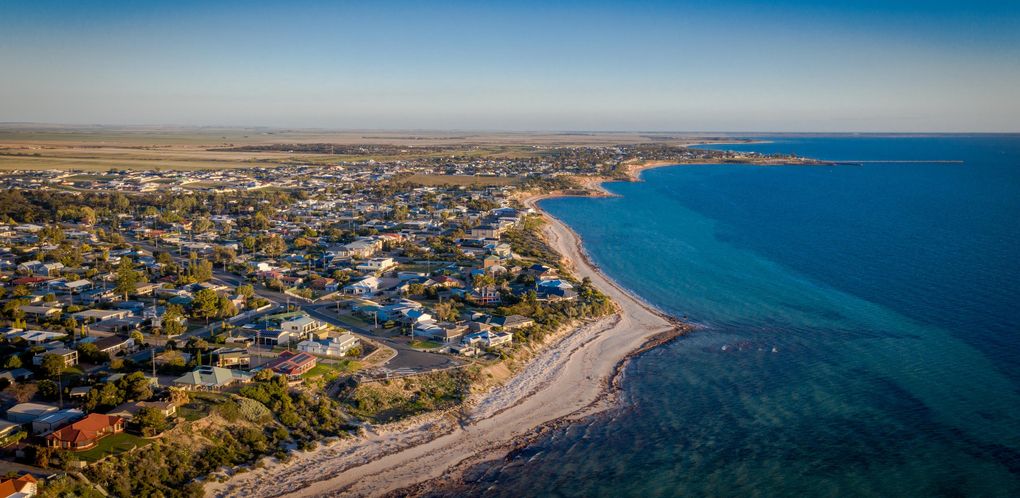
Glenelg and Brighton sit to the west on the coast, connected to the city by tram and popular with families and professionals who want beachside living without paying Cottesloe prices. Both are well-established suburbs with a mix of housing types and a genuine community feel.
Hyde Park and Unley are the upmarket inner-south choices, with tree-lined streets, independent shops, and a café culture that sits closer to European urban living than most Australian suburbs manage. Both are within cycling distance of the CBD.
For families prioritising space and value, Burnside and the suburbs around it offer more for the money than anything equivalent in Sydney or Melbourne, which is a significant draw for people arriving from Dubai where the cost comparison with eastern Australia is front of mind.
Freight from Dubai to Adelaide
Sea freight from Jebel Ali is the standard route for a full household move. Containers are typically routed via Melbourne or another major Australian east coast hub before being forwarded by road to Adelaide, which adds time to the overall transit. Door-to-door, most full container loads run at five to seven weeks from loading in Dubai to delivery in Adelaide. LCL shipments, sharing container space with other cargo, take longer due to consolidation and de-stuffing at both ends.

Air freight suits smaller volumes or time-critical items. Dubai has direct passenger and cargo flights to Adelaide, with air freight running at around ten to fourteen days door to door once cargo handling and Australian customs clearance are factored in.
Australia’s Biosecurity Requirements
Australia’s Department of Agriculture, Fisheries and Forestry assesses every incoming household shipment for biosecurity risk. Under the DAFF guidelines for personal effects, anything in your shipment that originates from or contains part of an animal or plant, including all timber items, is subject to inspection. Biosecurity inspection charges are calculated on time, so a well-prepared, clearly labelled inventory reduces both the cost and the delay.
The packing steps that matter most at Adelaide:
- Write a detailed, itemised packing list with every box numbered and contents described by material. “Wooden dining chairs x 4” is more useful to an inspector than “furniture.”
- Do not use second-hand boxes previously used for fruit, vegetables, meat, or fertiliser.
- Do not use straw, sawdust, wood shavings, or any plant material as filler.
- Pack biosecurity-risk items, such as wooden objects, footwear, garden tools, and food, together in separate labelled boxes.
- Clean all footwear and outdoor equipment before packing. Soil residue on boots or garden tools is one of the most common triggers for additional inspection time.
Goods arriving without the required import documentation will be directed for re-export or destroyed at the importer’s cost. When in doubt about any item, check before packing rather than after the container has left Jebel Ali.
Please note that biosecurity and customs regulations may change. Always verify current requirements with the relevant authority or contact Acorn Movers for up-to-date guidance.
Customs Documentation
Customs declarations for household goods entering Australia are lodged through the Australian Border Force. For people relocating permanently, most used personal effects are duty-free, but a formal import declaration and a complete, accurate inventory are still required.

Items that attract GST and customs duty regardless of circumstances: tobacco, alcohol, and commercial goods. These must be declared and assessed separately from the household effects declaration.
Documents your freight agent needs: passport copy, visa or residency documentation confirming your right to live in Australia, and a detailed packing list cross-referenced to the B534 declaration form. Any mismatch between the declared inventory and the actual contents of the container will trigger further inspection.
What You Cannot Ship
The categories most relevant to a Dubai household moving to Adelaide:
- Food: Fresh fruit, vegetables, meat, dairy, and eggs are prohibited or heavily restricted. Commercially packaged and sealed food items are generally fine but must be declared.
- Wooden and natural material items: Timber, cane, bamboo, and rattan furniture are inspected on arrival. Treatment fees may apply before release.
- Soil and organic matter: Plant pots, garden tools, and outdoor furniture with visible soil residue are at risk of being held for cleaning.
- Seeds and plant material: Prohibited unless specific import conditions are satisfied.
- Medications: Must be accompanied by original packaging and a prescription. Certain substances legal in the UAE are scheduled differently under Australian law.
Planning Your Timeline
An Adelaide move works best when planning begins eight to ten weeks before departure. That window covers the home survey, freight booking, documentation preparation, and professional packing without working against vessel sailing schedules.
Families targeting the Australian school year start in late January need containers loaded from Dubai by mid to late November. For the July term, containers need to leave by May. The right calculation is to work back from the school start date, add six to seven weeks for transit and road forwarding from the east coast hub, and allow two further weeks for biosecurity clearance and final delivery.
Moving to Adelaide with Acorn Movers
Acorn Movers manages Dubai to Adelaide relocations as part of its Australia moves service. The team covers packing in Dubai to export standard, freight coordination from Jebel Ali, biosecurity and customs documentation, and delivery coordination to your Adelaide address. Both Dubai and Abu Dhabi departures are handled, and there is a single point of contact from the time the container is loaded until it arrives at your door.
Start Now While the Window Is Open
July is a strong month to book for Adelaide-bound moves. Containers leaving Jebel Ali now arrive in time for August and September delivery, which suits families planning to settle before the start of the new school year.
Request a quote to get a freight assessment and timeline confirmed for your Adelaide move. The team is also reachable on WhatsApp or by phone at +971 4 323 6920. Adelaide rewards the families who choose it deliberately, and a well-planned move is the right way to start.