


There is a particular kind of dread that comes with opening a box at your new address and finding a cracked laptop screen or a television that has shifted and shattered inside its wrapping. Electronics and appliances are among the most valuable things in any household and among the most vulnerable to the specific hazards of international shipping: vibration, pressure changes, temperature swings, and the occasional rough handling at a port. The good news is that damage to electronics on a well-managed international move is largely preventable. What makes the difference is preparation before the box is sealed, not hope after it is loaded.
This guide covers what you need to know if you are relocating from Dubai or Abu Dhabi internationally, whether your shipment is heading to Europe, Canada, Australia, the UK, or elsewhere.
The Dubai Climate Problem Nobody Mentions
Most packing guides for international moves are written without Dubai’s climate in mind. They assume a temperate starting point. Dubai does not offer that.
Electronics and appliances sitting in a Dubai apartment in April or May are already operating in an environment that puts stress on components. When a device that has been in an air-conditioned room is moved outside for loading, rapid condensation can form inside the casing as warm, humid air meets cool internal surfaces. This is particularly relevant for screens, cameras, hard drives, and audio equipment.
The practical solution is straightforward: allow electronics to acclimatise to ambient temperature gradually before they are packed and moved. Do not take a laptop from a cold office directly into a packing box destined for a warm truck. Power down all devices well in advance of packing day, let them reach room temperature naturally, and only then begin the wrapping process. This single step eliminates one of the most common causes of transit moisture damage on moves originating from the UAE.
Voltage and Compatibility: Know Before You Pack

One of the most consistently overlooked aspects of packing appliances for an international move from Dubai is voltage compatibility at the destination. The UAE operates on 230V/50Hz, which is the same standard used across the UK, Europe, Australia, and most of Asia. If you are moving to any of those destinations, the vast majority of your appliances will work without modification a plug adapter is all you need.
Moving to the USA or Canada is a different matter. North America uses a different voltage standard, and if you plan on moving appliances to the United States, Canada, or other countries in that voltage range, you will need a voltage transformer or converter. Experts for Expat This applies to any appliance with a heating element or a motor — washing machines, tumble dryers, microwaves, built-in ovens, certain coffee machines, and similar items. Modern laptops, phone chargers, and most consumer electronics are dual voltage (marked 100–240V on the device or adapter) and will work anywhere with only a plug adapter. Always check the label before assuming.
The decision of whether to ship an appliance or replace it at the destination is worth making before packing day, not after the shipment has departed. A washing machine that cannot function without an expensive transformer is not always worth the shipping volume it occupies.
How Professional Packing Works for Electronics
When Acorn Movers packs electronics and appliances as part of an international household relocation from Dubai, each item is assessed individually. The packing method depends on the item’s size, fragility, and the transit route. Here is what that process looks like in practice.
Screens and displays televisions, monitors, and digital frames are wrapped in foam sheeting, then in bubble wrap, and packed vertically in purpose-built cartons with internal bracing. They are never packed flat, as horizontal pressure during transit is one of the primary causes of screen damage.
Computers and laptops are backed up before packing day if possible, powered down, and packed individually in anti-static foam or bubble wrap. Standard packing peanuts are avoided around computer components because they can generate static discharge. Hard drives are removed from desktop towers where possible and packed separately with additional padding.
Cables, remotes, and accessories are labelled, bundled, and packed in clearly marked bags inside the same carton as the device they belong to. Photographs of cable configurations behind entertainment units are taken before unplugging, which saves considerable time and frustration at the other end.
Large appliances washing machines, refrigerators, dryers, and dishwashers are drained, dried, and secured internally before shipping. Drum bolts on washing machines, for example, must be reinserted before transport to prevent internal movement during the sea or land freight journey. If drum bolts have been lost, this is something to flag during the pre-move survey.
Small appliances such as coffee machines, blenders, and kitchen equipment are drained of water and liquids, disassembled where appropriate, and packed in appropriately sized cartons with void fill to prevent movement.
What to Pack in Your Carry-On Instead of the Container
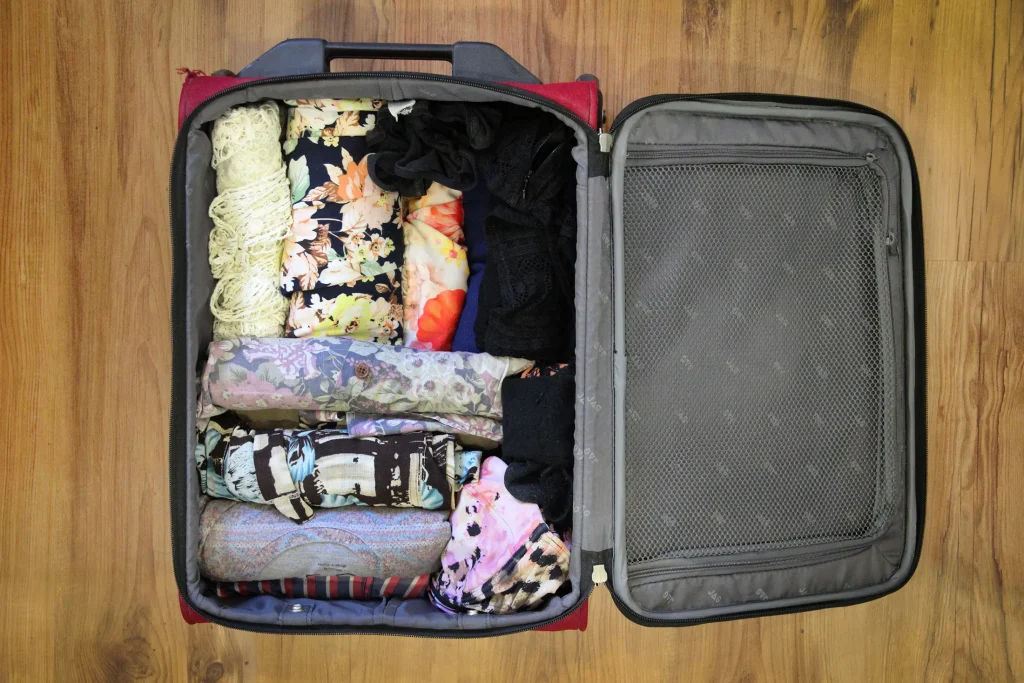
Not everything should go into the sea freight shipment. Some electronics are better kept with you for the journey, both for practical reasons and because they are simply too valuable or irreplaceable to leave to a long sea transit.
The following items are typically better carried personally or sent by air freight rather than included in a sea freight container:
- Laptops, tablets, and phones you need during the move and settling-in period
- External hard drives containing irreplaceable personal or business data
- High-value cameras and photography equipment
- Medications and medical devices
- Passports, financial documents, and other irreplaceable paperwork
For families using a combined sea and air freight approach which is the most common arrangement on longer routes such as Dubai to Canada or Dubai to Australia these items can travel by air and arrive within days while the main household shipment is still at sea.
Inventory and Insurance: The Part That Protects You
Every electronic item in a professionally managed international shipment should be listed on a detailed inventory with its description, serial number, and declared value. This inventory serves two purposes: it is the basis of your insurance cover, and it is the document used for customs clearance at the destination.
For high-value electronics home cinema systems, high-specification laptops, professional cameras, and similar items specialist insurance coverage is worth arranging before the shipment departs. Standard transit insurance typically covers damage or loss at a fixed rate per kilogram, which rarely reflects the actual replacement value of premium electronics. Our team can advise on appropriate coverage levels during the pre-move survey.
How Your Destination Affects the Packing Decision
Every destination on Acorn Movers’ network has its own specific considerations for electronics. German customs, for instance, requires individual high-value items to be declared at their full value. Australian biosecurity requires certain items to be inspected on arrival. Canadian customs requires all goods to be listed on the B4A form before you land. These destination-specific requirements feed directly into how your inventory is prepared and documented.
Knowing where your electronics are going and what paperwork they need to travel with is as important as how they are packed. This is why the pre-move survey is not just a volume estimate. It is a conversation about every item of value in your home, and how to get it to your new address without incident.
Pack Once, Arrive Right
The moves that go smoothly are the ones where nothing is left to chance on packing day. Electronics packed properly, inventoried accurately, and routed with the right documentation arrive intact. Those packed in a hurry, with gaps in the documentation and items added to the shipment at the last minute, create the problems that take weeks to resolve.
If you are planning an international move from Dubai or Abu Dhabi and want to discuss how your electronics and appliances will be handled, our team is ready to help. Send us a message on WhatsApp or fill in our quote form to arrange a home survey we will assess every item and give you a clear plan before a single cable is unplugged.